Loading...
A sunken driveway or patio does not have to mean tearing everything out. We lift settled slabs back to level quickly and for far less than a full replacement.
Foundation raising in Simi Valley lifts a settled concrete slab back to its original position by pumping material into the voids underneath - most residential jobs are completed in one to three hours and the surface is ready to use the same day.
If you have a driveway section that dips, a patio panel that rocks underfoot, or a walkway with a visible gap along the wall, the concrete itself is probably fine - the soil underneath has shifted. That is a solvable problem without jackhammers or a full pour. Foundation raising is the right first call when the slab is structurally sound but has simply dropped due to Simi Valley's clay soil moving through our dry summers and wet winters.
Many homeowners who call about foundation raising also ask about concrete cutting when a section is too damaged to lift and needs to be removed cleanly before repair work begins.
If a door that used to swing freely now drags, or a window that opened easily now jams, the frame around it may have shifted because the slab underneath has dropped. In Simi Valley, this symptom tends to show up in late summer or early fall after the soil has dried and contracted through the hot season. Left alone, the frame gap widens and weatherproofing fails.
Walk the perimeter of your garage floor, patio, or driveway and look for a gap between the concrete and the wall, step, or curb next to it. A gap that has appeared or grown wider is a clear sign the slab has moved downward. This is especially common in Simi Valley homes built in the 1970s and 1980s, where original soil compaction may not have met today's standards.
Step on different sections of your concrete and pay attention to any movement or a hollow thud underfoot. A slab that flexes slightly has lost the soil support beneath it. Left alone, that section will continue to drop and will eventually crack. The hollow sound is a reliable signal that a void has formed and material needs to be pumped underneath.
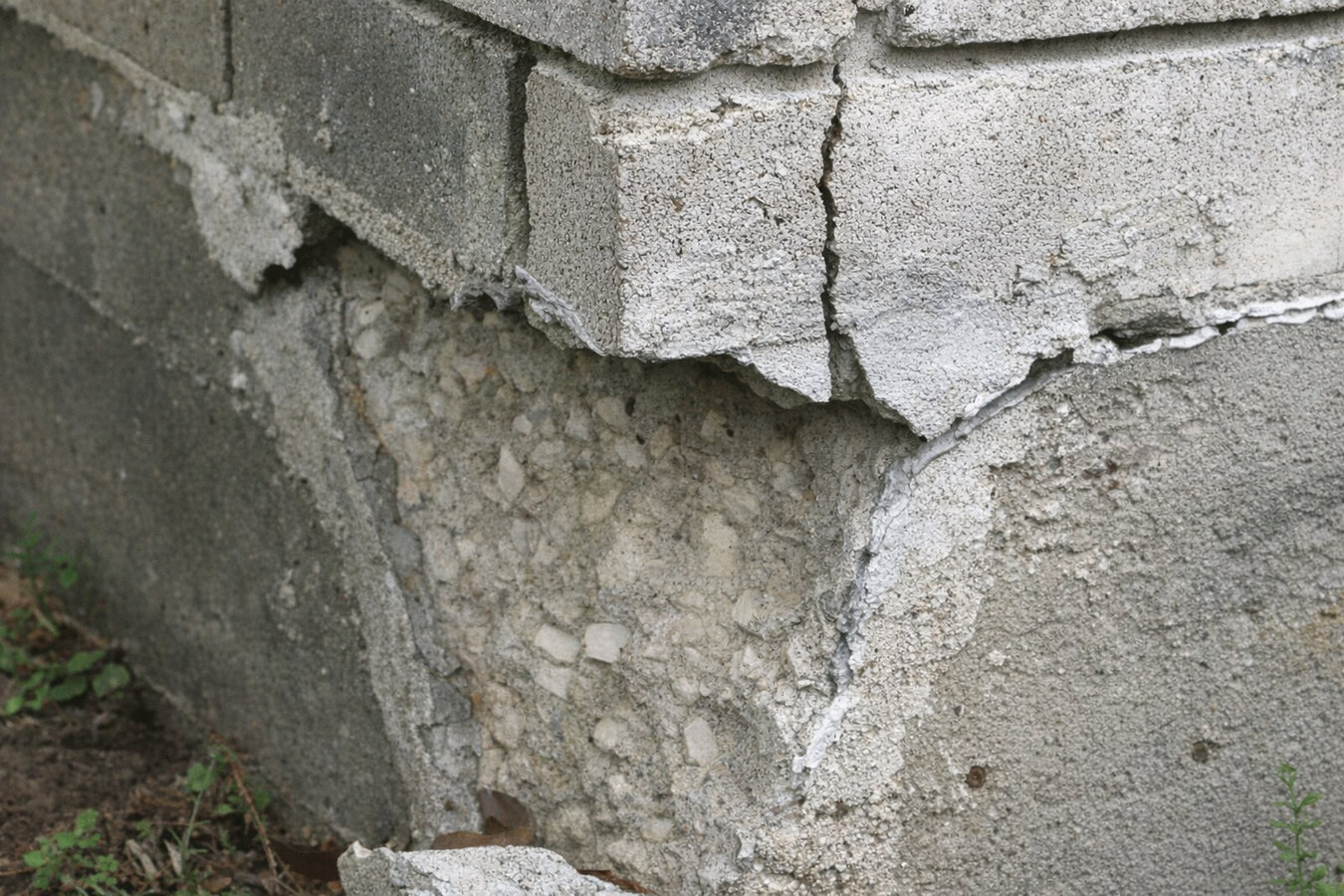
Straight shrinkage cracks are common and usually harmless. Diagonal cracks - especially ones that run from a corner at roughly a 45-degree angle - often mean one side of the slab has dropped while the other stayed put. After a wet winter or a dry summer in Simi Valley, these cracks can appear or widen noticeably. They are a signal that differential settling is underway.
The two main methods used today are mudjacking and polyurethane foam injection. Mudjacking pumps a cement-and-soil slurry beneath the slab to fill voids and push the concrete back up - it is a proven method for heavier slabs and larger areas. Foam injection uses an expanding polyurethane material that is lighter, cures faster, and works well in tighter spaces or where weight is a concern. We assess your slab, soil type, and the extent of the settling before recommending one over the other - not every job is a candidate for foam, and not every job needs the heavier slurry method.
Before any lift, we walk the full area with you, explain what we think caused the settling, and give you a written estimate. If your slab has sections that are too far gone to raise effectively, we will tell you honestly and can pair the lift with concrete cutting to remove the damaged panels cleanly. For homeowners whose slab has gone beyond repair entirely, we also handle slab foundation building so you have a single contractor for the full scope of work.
Best suited for large slabs - driveways, garage floors, sidewalks - where a heavier fill material provides lasting stability on clay soils.
Ideal for smaller areas, patios, pool decks, or slabs near utilities where a lighter material and faster cure time are advantages.
Targets homeowners with one or more sunken driveway panels, eliminating trip hazards and drainage problems before the next rainy season.
For homeowners dealing with an uneven patio surface or a settled walkway that has created a fall risk around the home's exterior.
Simi Valley sits on soil with a high clay content that swells when wet and shrinks when dry. That constant movement is one of the leading causes of slab settling here, and the city's climate makes it worse. Long hot summers pull moisture out of the soil, causing it to contract and pull away from slabs. Then when the first heavy rains arrive - especially in El Nino years - the soil absorbs water quickly and expands again. Over years and decades, this wet-dry cycle creates voids beneath concrete. Homes built in the 1960s through 1990s have had the longest exposure to this cycle, and many slabs from that era are now showing the effects. If your home falls in that range and you have not looked at your flatwork recently, it is worth a check.
Seismic activity adds another layer of risk. The 1994 Northridge earthquake caused significant ground movement throughout the greater Los Angeles area, including Simi Valley, and homes that were standing then may have soil conditions that were never fully assessed afterward. Homeowners in Moorpark and Thousand Oaks face similar clay soil challenges, and we serve both areas regularly. If you are seeing settling and the cause is not obvious - no drainage problem, no visible tree roots - it is worth mentioning the home's age and location to us during the assessment.
When you call, we ask a few quick questions - where the settling is, roughly how much the slab has dropped, and whether you have noticed any cracks. This takes about five minutes and helps us bring the right equipment to the site visit, which we typically schedule within a few business days.
We walk the area with you, measure how far the slab has dropped, and look at soil conditions and drainage. You will receive a written estimate before any work is agreed to - no surprise charges after the job starts. We reply to all estimate requests within one business day.
The crew drills small holes through the slab at measured intervals - about the size of a golf ball - then pumps material underneath until the slab rises back to level. You will hear the equipment running, and the actual lifting usually takes one to three hours for a standard residential slab.
Once the slab is level, we fill and patch the drill holes so they blend with the surrounding concrete. The crew cleans up before leaving. You can walk on the surface within an hour or two, and drive on a repaired driveway within 24 hours. We will tell you what to watch for and come back to assess if anything looks off.
We will walk your property, explain what caused the settling, and give you a straight answer on whether raising is the right fix or if something else makes more sense.
(805) 285-4986Most of Simi Valley sits on expansive clay soil - the kind that swells, shrinks, and creates voids under slabs. We know how this soil behaves across different parts of the city and what it means for method selection and long-term repair durability. That local knowledge changes the recommendation and the outcome.
Not every sunken slab is a good candidate for lifting. If your concrete is too damaged to hold a repair, we will tell you - and explain exactly why. We would rather lose a job than have a lift fail in six months. That honesty is what brings homeowners back for other work and drives referrals across the neighborhoods we serve.
Every contractor working on your home in California must hold a valid license from the California Contractors State License Board. Ours is current and verifiable. You can look up any contractor's license number in about two minutes - and you should before signing anything with anyone.
Foundation raising is less invasive than most homeowners expect - no concrete hauled away, no multi-day project. Our crew patches the drill holes, cleans the work area, and leaves the same day. You do not have to rearrange your week around a repair that takes a few hours from start to finish.
We have worked on driveways, patios, walkways, and pool decks across Simi Valley's range of neighborhoods - from the older ranch-style homes near the city center to the larger two-story houses in Wood Ranch. The combination of local soil knowledge, honest assessments, and clean workmanship is what keeps homeowners calling us back.
When a slab section is too damaged to raise, precise diamond-blade cutting removes it cleanly so new concrete can be poured in its place.
Learn moreFull slab pours for ADUs, room additions, and structures where the existing foundation cannot be saved or does not exist.
Learn moreSimi Valley's wet winters can make existing settling worse quickly - locking in your repair date now means one less thing to worry about when the rains arrive.