
Loading...
RedOak Simi Valley Concrete is a licensed concrete contractor serving Camarillo, CA with slab foundations, driveways, retaining walls, and patios - built around the clay soils, wet winters, and 1960s-through-1990s housing stock that defines this city, serving Camarillo homeowners since 2023.
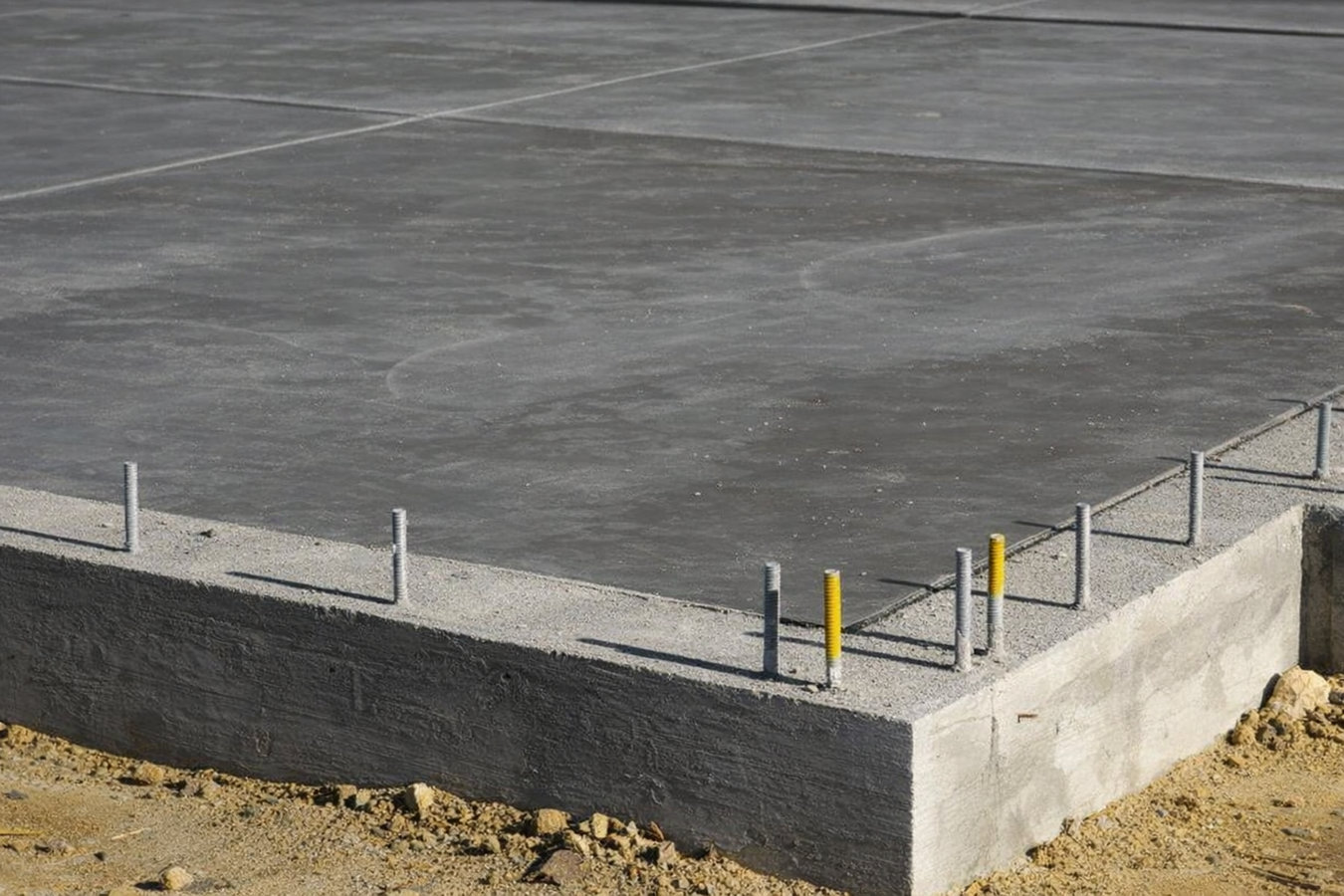
The majority of Camarillo's homes sit on slab foundations poured during the city's postwar and 1970s-1990s growth periods, and the expansive clay soils beneath them have been working on those slabs for decades. When settling, cracking, or drainage failures make repair insufficient, we build new slab foundations with proper compaction, steel reinforcement, and vapor barriers sized for this region's ground-moisture conditions.
Camarillo's ranch-style homes typically have long single or two-car driveways that were poured 30 to 50 years ago. The clay soils on the Oxnard Plain expand and contract with each rainy season, and that movement is why the cracks in these older driveways keep growing rather than staying put. A new driveway built with a properly compacted gravel base and correct control joint spacing stops that cycle.
Camarillo's mild coastal-valley climate makes outdoor living practical for most of the year, and a concrete patio is a durable surface that holds up to the dry summers without needing the irrigation that a lawn requires. For homes in planned communities with HOA rules, concrete finishes are generally among the easiest outdoor surfaces to get approved.
Camarillo Heights and Las Posas Estates have hillside homes on larger lots where retaining walls manage the grade changes between street level and usable yard space. Many of these walls were built in the 1970s and 1980s and are showing the effects of seasonal soil movement and decades of water pressure behind them. A properly drained replacement wall built to current standards solves both problems at once.
Many of Camarillo's Mission Oaks and Springville neighborhoods have HOA design review requirements for exterior surfaces. Stamped concrete lets homeowners achieve a decorative look - stone, tile, or brick patterns - that typically clears HOA approval at a lower cost than natural materials and without the ongoing maintenance that pavers or flagstone require.
Camarillo's mild year-round temperatures make outdoor pools practical in a way that colder climates cannot match, and the homes in Las Posas Estates and other larger-lot neighborhoods frequently have pools as part of the original build. Pool decks from the 1980s and 1990s are at the age where surface deterioration, cracking, and drainage issues make replacement more cost-effective than repeated patching.
Camarillo sits in a coastal valley on the Oxnard Plain, roughly 10 miles from the Pacific Ocean. The soils across most of the valley floor contain a significant amount of clay, and clay behaves in a way that is hard on concrete over time. It expands when the winter rains arrive between November and March and shrinks back during the long dry season that runs from spring through fall. That movement happens every year, and anything sitting on top of those soils shifts with it. Driveways crack. Walkways heave. Slab foundations develop movement at their edges. Homes in Camarillo Heights and Las Posas Estates on the hillside face additional drainage challenges that valley-floor properties do not, and the older custom homes in those areas were not always built to current drainage standards.
The housing stock compounds the problem. Most Camarillo homes were built between the 1960s and 1990s as the city grew from a small ranch town into one of Ventura County's larger suburbs. The concrete on those properties - driveways, walkways, patios, pool decks - has now been through 30 to 60 wet-dry cycles, each one putting incremental stress on the slab. Santa Ana wind events in fall and winter add another layer: gusts over 50 mph can shift lightweight concrete features and stress the caulked joints around older pool decks and patios. The City of Camarillo's Building and Safety Division requires permits for structural concrete including foundations, retaining walls, and driveway approaches - a process contractors who rarely work in the city often mishandle.
We have pulled permits through the City of Camarillo's Building and Safety Division and are familiar with its plan check process for concrete work in both the valley-floor neighborhoods and the hillside properties above the city. The hillside areas - Camarillo Heights and Las Posas Estates - often require drainage documentation and soils review that standard flatwork permits do not, and we include that from the start rather than discovering it mid-review.
Camarillo has two distinct building environments. The valley floor, which includes Mission Oaks, Springville, and the neighborhoods off Las Posas Road near the Camarillo Premium Outlets, is primarily 1970s-through-1990s ranch-style single-family homes on flat lots. The work there involves driveways, patios, and slab repairs that follow predictable patterns for this building era. The hillside neighborhoods are a different story: older custom homes, bigger lots, steeper grades, and concrete retaining walls and foundations that were designed before today's soils and drainage standards were standard practice.
Camarillo sits between Oxnard to the west and Moorpark to the east, and we work regularly in all three cities. The clay-soil and seasonal-rain conditions are consistent across this stretch of Ventura County, and our approach to base preparation and drainage reflects that.
We respond within 1 business day of every call or online message. For most Camarillo homeowners, we can schedule an on-site visit within the same week. The estimate is free, and there is no obligation to book after you receive a number.
We come to the property, assess the soil and drainage conditions, measure the work area, and walk through the options with you. You get a written estimate that breaks out labor, materials, and permit costs. For hillside properties in Camarillo Heights or Las Posas Estates, we factor drainage requirements into the scope upfront rather than adding them later.
We apply for the City of Camarillo building permit before any work begins on projects that require one. Permit review typically adds one to two weeks of lead time. Once the permit is approved, we confirm your start date and walk you through what to expect on day one so there are no surprises.
The crew handles all demolition, base preparation, forming, pouring, and finishing. We remove debris and clean up the work area before leaving. At the end, we review the curing timeline with you - including how long before a new driveway can take vehicle weight or a new patio is ready for furniture.
We serve Camarillo homeowners across Mission Oaks, Camarillo Heights, Las Posas Estates, and every neighborhood in between. Free estimates, no-pressure quotes. Call (805) 285-4986.
(805) 285-4986Camarillo is a city of more than 70,000 people in western Ventura County, about 10 miles from the Pacific Ocean and roughly 50 miles northwest of downtown Los Angeles. It sits in a valley between the Santa Monica Mountains and the Topatopa Mountains, which channels cool marine air inland and gives the city one of Southern California's more moderate climates - warm but rarely extreme in summer, mild and wet in winter. The city grew from a small ranch community into a full suburban city over roughly 40 years, from the 1960s through the late 1990s. Most of its housing stock reflects that era: single-story ranch homes with attached garages, stucco exteriors, and tile roofs, built in planned phases across the valley floor. Median home values are well above $700,000, and the population skews toward long-term owner-occupiers. Landmarks most residents know include the Camarillo Premium Outlets off the 101 freeway, Old Town Camarillo along Ventura Boulevard, and the Camarillo Airport, a general aviation facility on the west side of the city that houses the California Air Museum.
The city has distinct residential zones. The valley floor - including Mission Oaks, Springville, and the neighborhoods along Las Posas Road - is mostly flat-lot single-family homes from the 1970s through 1990s, the age range where original concrete flatwork is reaching the end of its practical life. Camarillo Heights and Las Posas Estates, in the hills above the city, are older neighborhoods with larger custom-built homes on bigger lots, some with horse property or significant grading. Those hillside homes face drainage and soil challenges that the valley-floor properties do not. To the west, the city transitions into neighboring Oxnard, while Ventura lies just up the coast. Both cities share Camarillo's clay-soil conditions and similar housing eras.
Serving these cities and communities.
Whether you need a new slab foundation, a driveway replacement, or a retaining wall on a hillside lot, RedOak Simi Valley Concrete serves Camarillo with pricing you can verify and work built to hold up through every wet season.