
Loading...
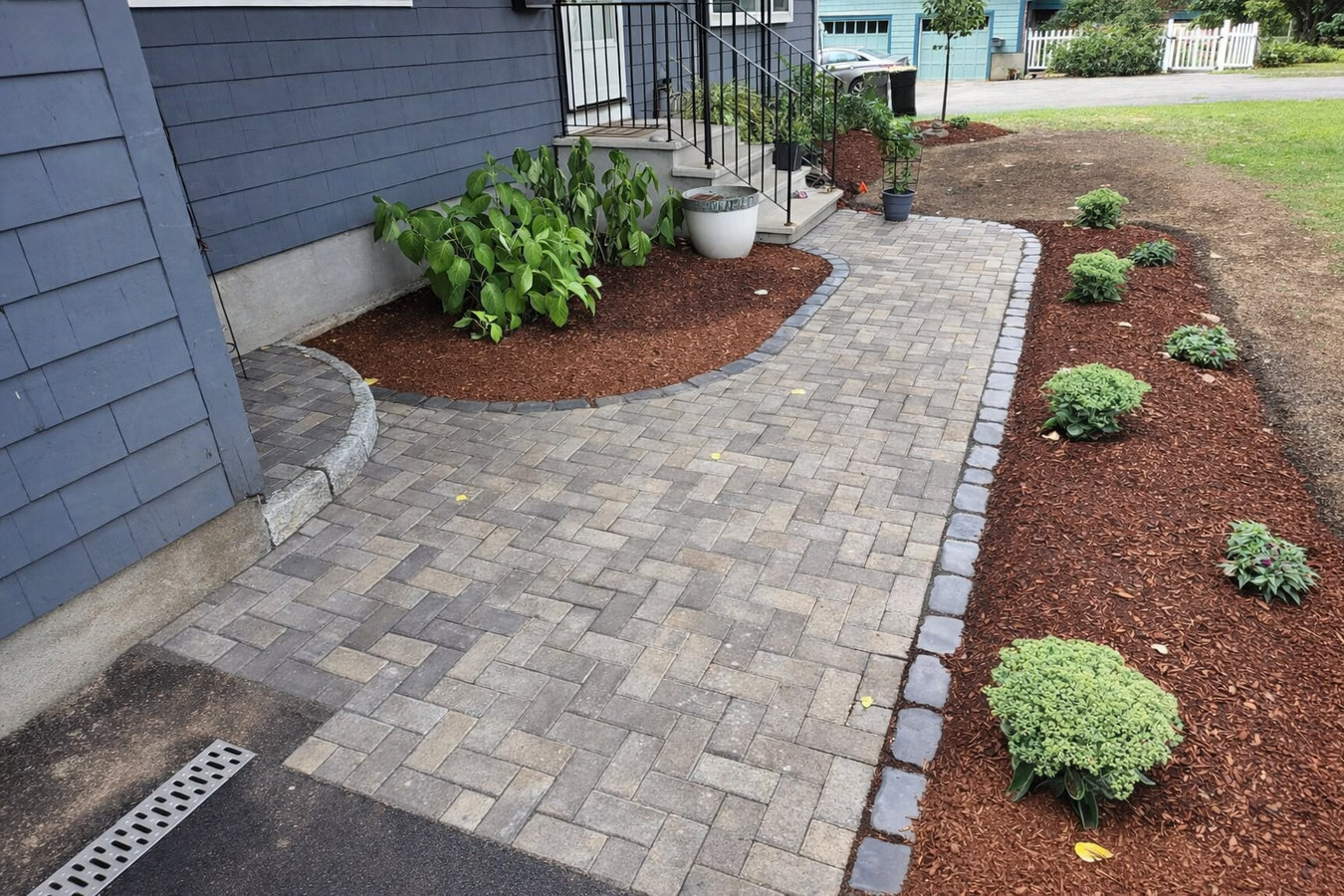
RedOak Simi Valley Concrete serves Thousand Oaks, CA with patios, driveways, retaining walls, and pool decks - built with the expansive soils, HOA approval processes, and hillside site conditions that define this area, backed by our Simi Valley base and regional experience.
Thousand Oaks homes sit on medium to large lots with outdoor spaces that are genuinely usable most of the year. We build concrete patios designed for the expansive soils and HOA finish requirements common across Conejo Valley neighborhoods - a combination that catches out contractors who have not worked in this specific area before.
A significant number of Thousand Oaks properties are built on or near hillsides - in neighborhoods like Lynn Ranch, Conejo Oaks, and areas bordering the open space preserves. Retaining walls hold those slopes, manage the drainage that becomes critical after the concentrated winter rains Ventura County regularly receives, and prevent the erosion that follows them.
Pools are common across Thousand Oaks given the long, dry summers and the lot sizes that support them. Pool decks here face intense UV exposure and need a surface that handles years of sun and chlorine contact without the surface cracking that becomes a safety issue over time.
Most homes in Thousand Oaks were built between the 1960s and 1990s, meaning many original driveways are now at or past their expected lifespan. Sloped driveways on hillside properties need particular attention to drainage grading - a flat pour that works on a flat lot fails on a canyon-adjacent driveway.
HOA approval requirements are common across Thousand Oaks communities including Newbury Park and Lang Ranch. Stamped concrete finishes - which mimic stone, brick, or tile at a lower cost - typically satisfy those requirements while giving homeowners the decorative exterior they want without the expense of natural stone.
Hillside lots with sloped entries are common in Thousand Oaks. Concrete steps on properties like these need to account for drainage, be built to a slope that is safe for daily use, and hold up to years of foot traffic - all of which depend more on how the base and forms are set than on the concrete mix itself.
Thousand Oaks sits in the Conejo Valley, surrounded by rolling hills and open space preserves, and the terrain shapes concrete work here in ways that are not always obvious until a job goes wrong. The hillside and canyon-adjacent properties in neighborhoods like Lynn Ranch and Conejo Oaks face the same expansive-soil problem common throughout Ventura County - soils that swell with winter rains and shrink in the dry season, putting stress on concrete slabs from below. On flat lots that movement is a nuisance. On sloped lots, it can cause retaining walls to lean and patios to shift in ways that require significant structural repair if left unaddressed.
The Woolsey Fire in 2018 burned through parts of the area and left homeowners throughout Thousand Oaks more focused on fire-resistant exterior materials. Concrete - whether for driveways, patios, or pool decks - is non-combustible and does not add fuel to a fire, which has become a real factor in material selection for homeowners in or near the city's high fire hazard severity zone. Ventura County's Fire Hazard Severity Zone designations cover significant portions of the Thousand Oaks hillsides, and permitting for exterior work in those zones involves an extra layer of review.
Thousand Oaks is a roughly 20-minute drive from our Simi Valley base, and we have worked on homes throughout the Conejo Valley long enough to know the practical differences between the city's older 1960s ranch neighborhoods, the Spanish-style stucco homes built in the 1980s, and the newer two-story properties in master-planned communities like Lang Ranch. Those differences matter when you are sizing a concrete base, choosing a finish that will hold up under intense sun, or setting a slope for a driveway on a hillside lot.
Thousand Oaks has active HOA oversight in a large share of its residential communities, and our crews know to flag that early in the planning conversation rather than after a pour is done. The City of Thousand Oaks Community Development Department handles permitting for concrete work, and we pull those permits and manage the inspection process on behalf of our clients.
Our closest base of operations is in Simi Valley, just east of Thousand Oaks via the 23 Freeway. We also serve homeowners throughout the broader region, including Moorpark, which sits north of the Conejo Valley and shares similar soil and HOA conditions.
We respond within 1 business day. We schedule an in-person visit - no phone-only estimates for concrete work, because the site conditions in Thousand Oaks vary too much between a flat-lot property and a canyon-adjacent hillside home.
We measure the area, assess the soil drainage and slope conditions, note any HOA constraints you have mentioned, and give you a written estimate with every cost broken out. We flag the permit lead time at this step so there are no scheduling surprises.
We apply for the City of Thousand Oaks permit before work begins. If your HOA requires a submission, we give you the project documentation you need to make that request - the HOA submission is yours to make, but we give you exactly what they will ask for.
The crew handles demolition, base preparation suited to your site conditions, the pour, finishing, and full cleanup. Before we leave, we walk you through curing timelines and what to watch for in the first few weeks after the work is done.
We serve homeowners throughout Thousand Oaks - from the hillside neighborhoods near Lynn Ranch to the newer homes in Lang Ranch and Newbury Park. Call us or submit a request and we will get back to you within 1 business day.
(805) 285-4986Thousand Oaks is a city of roughly 126,000 people in the Conejo Valley, in the southeastern corner of Ventura County. The city was developed as a planned community beginning in the early 1960s, with the bulk of its housing built between 1965 and 1995. It is divided into distinct neighborhoods with different characters: Newbury Park on the western end, the hillside homes of Lynn Ranch and Conejo Oaks, and the newer master-planned community of Lang Ranch on the eastern edge. Ranch-style and Spanish-style stucco homes are the dominant housing types, with tile roofs and mature landscaping on medium to large lots. The city consistently ranks among the safest and most livable in the country, and its high homeownership rate reflects a community that stays and invests in its properties over the long term.
The Santa Monica Mountains National Recreation Area borders Thousand Oaks to the south, and large amounts of the land surrounding the city are protected open space. That terrain is part of what makes the city attractive - and part of what makes hillside property maintenance a real ongoing requirement. Amgen, one of the largest biotech companies in the world, has been headquartered in Thousand Oaks since 1980, and the stability that major employer brings is visible in how homeowners approach long-term property investment. We serve the full city and also work in nearby areas including Simi Valley to the east and Camarillo to the west.
Serving these cities and communities.
Call us today or submit an estimate request - we serve all of Thousand Oaks and respond within 1 business day.