Loading...
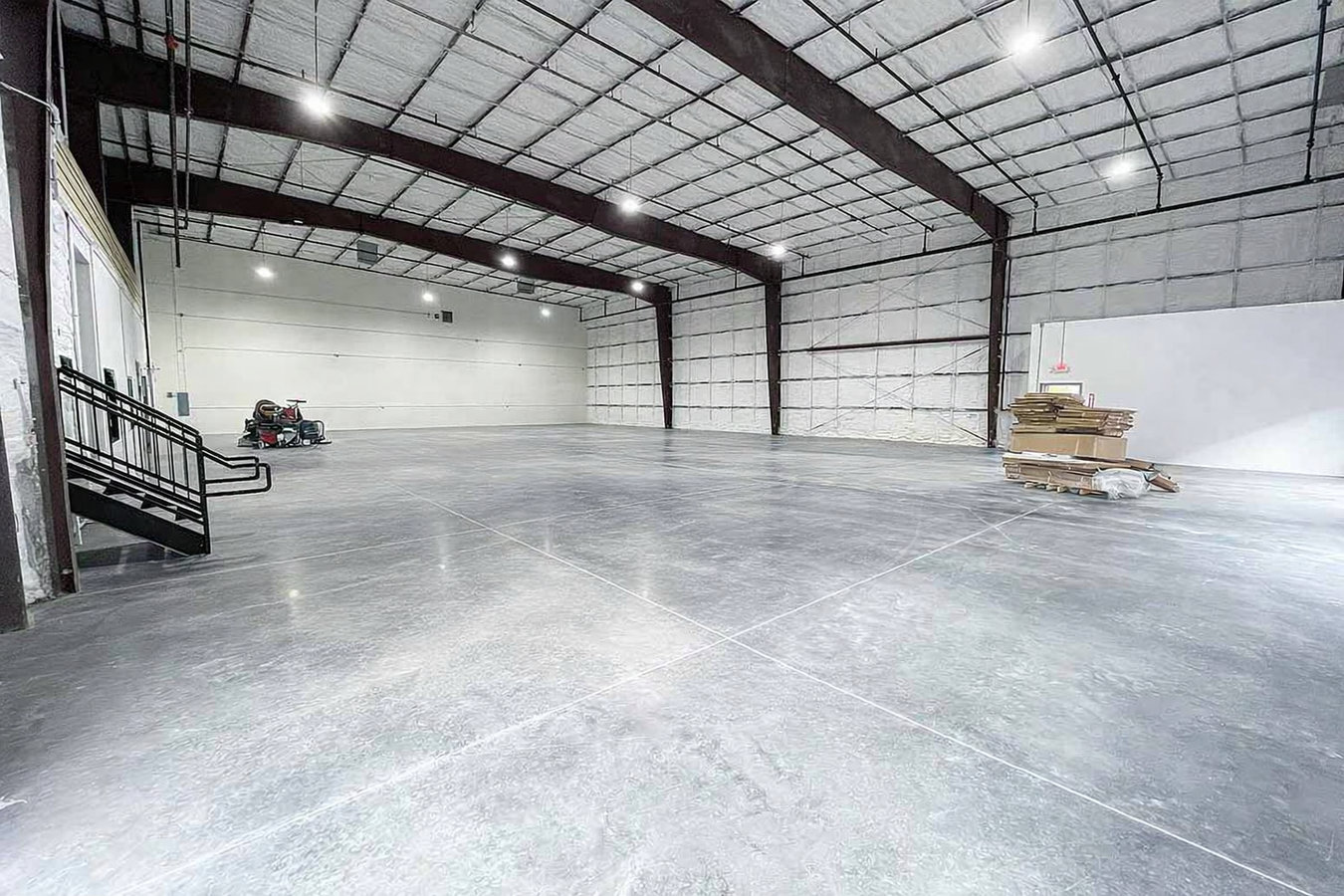
Cracked, heaving, or worn-out concrete floors are more than an eyesore. We install new garage slabs, patios, and interior floors built for Simi Valley's clay soils and summer heat.
Cracked, heaving, or worn-out concrete floors are more than an eyesore. We install new garage slabs, patios, and interior floors built for Simi Valley's clay soils and summer heat.
Concrete floor installation in Simi Valley covers soil removal, base compaction, gravel placement, forming, pouring, finishing, and curing - most garage slabs and residential patios take one to three days of active work on site. Pricing typically runs $6 to $12 per square foot for a standard pour in this market, with decorative finishes adding to that range.
Most homeowners contact us after noticing their garage floor has started to crack along the same lines each winter, or after finding that the surface is flaking and producing a fine concrete dust underfoot. In many cases, these are symptoms of what happened five or ten years ago during the original installation - rushed curing in Simi Valley's summer heat, or a base that was not prepared for the local clay soil. A new pour done correctly solves the problem long-term rather than patching it season by season.
If you are replacing a floor that has heaved or settled unevenly, it is worth understanding whether the ground movement is still active before pouring again. That is something we assess during the site visit. Many clients who need a new floor are also considering garage floor concrete finishes or concrete pool decks as part of the same outdoor project - we can scope both together.
A hairline crack that has not changed in years is usually cosmetic. But if cracks are spreading, widening, or have edges at different heights, the ground underneath is likely moving - common in Simi Valley's clay-heavy soils. Patching the surface will not fix what is happening below.
If your garage floor looks like it is shedding a thin layer of dust or small chips, the top surface has started to break down. This often happens when concrete was poured during hot weather without proper curing - a real risk in Simi Valley's summers. Once the surface layer starts failing, it tends to accelerate, and no sealer reverses the damage.
Concrete floors should slope slightly so water drains toward a floor drain or away from your foundation. If puddles form in the same places every time you wash the floor or it rains, the slab has either settled unevenly or was never graded correctly. Standing water near a foundation is a slow but serious problem.
If you feel a bump or dip walking across your garage, or if your car rocks slightly when you pull in, the slab has moved. In Simi Valley, this is often caused by expansive clay soil swelling in wet winters and shrinking in dry summers - a cycle that gradually pushes concrete up and down. This is a structural issue that gets worse over time.
Our concrete floor work covers new garage slabs, residential patios, outdoor utility areas, and interior concrete floors for spaces being converted or finished. Every job includes full site preparation - old concrete removal if needed, soil grading and compaction, gravel base, forming, reinforcement, and a finished pour with proper control joints. For homeowners who want more than plain gray concrete, we can tie floor installation into garage floor concrete coatings and finishes or concrete pool decks as part of a larger backyard project.
Slab thickness matters more than most homeowners realize. A garage floor that will hold a passenger vehicle needs at least four inches of concrete; a floor that will carry a truck or heavy equipment needs five or six. We confirm the right thickness for your intended use before pouring, and we include steel reinforcement as standard on every garage and driveway pour. Thinner pours save money on day one and cost far more over the following decade.
Suits homeowners replacing cracked, heaving, or old garage floors - includes full base prep and reinforcement.
Suits backyard projects where a level, durable surface is needed for furniture, cooking, or entertaining.
Suits garage conversions, workshop spaces, or basement-level rooms where a smooth, level slab is required.
Suits homeowners who want stamped patterns, colored concrete, or a polished surface rather than plain gray.
Most of Simi Valley's housing stock was built between the 1960s and 1980s, which means many garage floors and exterior slabs in the city are 40 to 60 years old. Concrete of that age - often poured without rebar, with minimal base preparation - is frequently overdue for replacement. Simi Valley also sits in a valley with clay-heavy soils that swell when wet and shrink when dry. That seasonal movement is the underlying cause of the cracks and heaving homeowners report every spring. A replacement floor built without accounting for that soil behavior will show the same problems within five to ten years.
Summer heat is the other major local variable. Simi Valley temperatures regularly exceed 95 degrees Fahrenheit from June through September, and the valley gets less coastal cooling than cities closer to the ocean. Concrete poured in that heat dries too fast on the surface if the contractor does not take active steps to slow it down. Homeowners in Burbank, CA and Santa Clarita, CA deal with the same hot inland heat and clay soil conditions - experience across this region translates directly to better outcomes on every Simi Valley pour.
Source: City of Simi Valley Building and Safety Division - permit requirements for new concrete floors and slabs.
We reply within one business day. We ask about the area size, whether there is existing concrete to remove, and how the space is currently used - then schedule a free site visit. No firm quotes are given over the phone without seeing the job.
We measure the area, check the existing ground or slab condition, and note access for equipment and trucks. You receive a written, itemized estimate covering demolition, base preparation, forming, pour, reinforcement, and finish. We also explain the permit process and city review timeline for your specific project.
We handle the City of Simi Valley permit application and schedule the crew once approval comes through - typically one to two weeks. You do not need to visit the permit office or follow up with the city.
The crew prepares the base, sets forms, and pours on schedule. During summer months, we pour early in the day and apply a curing compound to slow surface drying. The area stays off-limits for 24 to 48 hours, and your contractor will tell you exactly when it is safe for vehicles and full use.
Free on-site estimate. Written quote before any work begins. We handle the Simi Valley permit process for you.
(805) 285-4986We schedule pours for early morning during Simi Valley's June through September heat season, use shade where practical, and apply curing compounds to slow moisture loss. Concrete poured at peak heat without these steps cracks within a few years. This is not an add-on for us - it is the standard approach on every warm-weather pour we do.
Simi Valley's expansive clay soils require a compacted gravel base and the right slab thickness to stay stable through seasonal wet-dry cycles. We size the base and reinforcement to the soil type on your specific lot - not a generic specification that does not account for local ground conditions.
Unpermitted concrete work is one of the most common issues flagged during home sales in Ventura County. We pull every required permit through the City of Simi Valley and make sure the work passes inspection - protecting your investment when it matters most.
You receive a line-item written estimate covering every part of the job - demolition, base prep, forming, pour, reinforcement, and finish - before we schedule a start date. If something unexpected comes up during site preparation, we talk to you before proceeding, not after.
A concrete floor poured correctly lasts 30 to 50 years with basic maintenance. One poured without proper base preparation or hot-weather protocols may be showing problems within five years. Every job we take in Simi Valley is built to last in this specific climate and on these specific soils.
Learn more about concrete floor installation standards at the Portland Cement Association and the Concrete Network.
Extend your outdoor project with a pool deck poured to match the level and finish of your new floor, all in one permitted scope.
Learn moreAdd a protective coating or decorative finish to your new garage slab for a clean, long-lasting surface that handles daily vehicle traffic.
Learn moreSummer bookings fill quickly - reach out now to get on the schedule before the heat season limits pour windows.