
Loading...
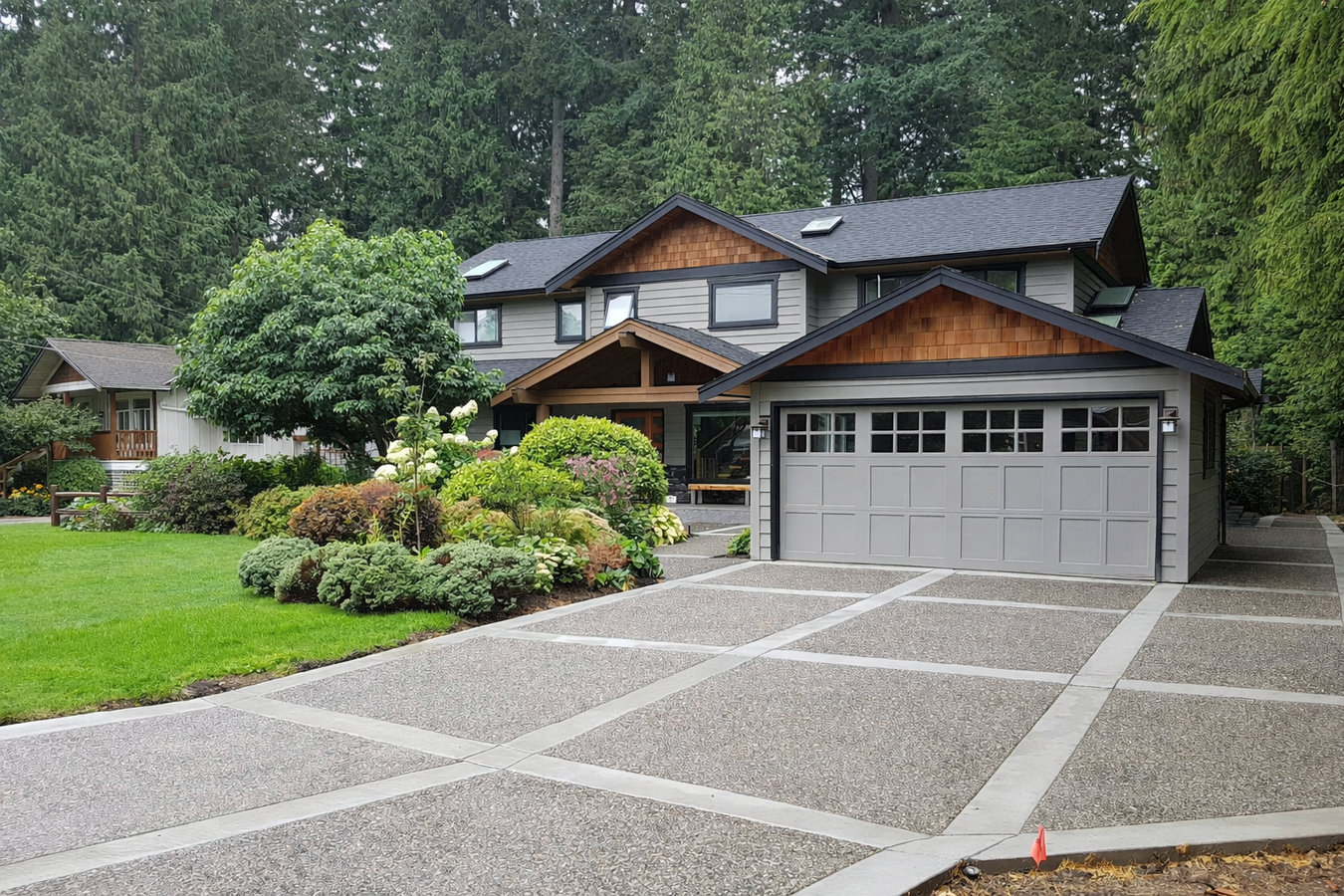
RedOak Simi Valley Concrete handles concrete driveway building, patio construction, and footings work for Pasadena homeowners whose century-old Craftsman and Spanish-style homes need concrete replacement done right - and we respond to Pasadena calls within 1 business day from our base in Simi Valley.
Pasadena has one of the highest concentrations of pre-1940 homes in Southern California, and many of those homes - particularly in Bungalow Heaven and Madison Heights - still have their original driveways from the 1920s and 1930s. Those slabs are 80 to 100 years old, poured thin and without modern sub-base compaction or reinforcement standards. Proper concrete driveway building in Pasadena means removing the original slab, correcting the sub-base for Pasadena's clay-heavy soil conditions, setting control joints correctly to manage the seasonal expansion and contraction that the climate drives, and pouring to current thickness and reinforcement standards. The result is a driveway built to last another generation, not just another decade.
Pasadena's older Craftsman and Spanish-style homes often have backyards that are partly shaded by large mature trees, and the combination of tree roots, clay soil, and the wet-dry seasonal cycle causes paver and brick patios to shift, crack, and become uneven over time. A concrete patio poured with proper sub-base preparation and control joints handles the root and soil pressure better than pavers and stays even through the winters when the soil is saturated. Many Pasadena homeowners add a broom finish or exposed aggregate to keep the surface from getting too hot underfoot during the city's warm summer months.
Many of the additions, garage detachments, and backyard structures homeowners are building in Pasadena sit on footings that need to be sized for the city's seismic exposure and the clay-soil conditions underneath. Pasadena sits at the base of the San Gabriel Mountains in seismic territory, and footings for walls, pergolas, posts, and freestanding structures need to reach stable soil depth and carry the right reinforcement. We pour footings to current California Building Code standards and handle the permit process with the city when required.
The hillside properties in northern Pasadena - including areas near Linda Vista and San Rafael Hills - have retaining walls that hold slopes and manage drainage from the San Gabriel foothills above. Many of those walls were built in the mid-20th century and are now cracking or leaning from soil movement, inadequate drainage behind them, and the seismic activity that is part of living in the San Gabriel Valley. Replacing a failing wall with a properly drained and reinforced concrete structure protects the slope and the property above and below it.
New accessory dwelling units, garage conversions, and room additions in Pasadena frequently require a new slab foundation, and the city's seismic zone and clay-soil profile mean that slab design needs to account for soil bearing capacity and lateral movement. Many homeowners in Pasadena are adding ADUs on their older properties, and a properly engineered slab foundation is the starting point for any permitted addition on a city lot. We work with the city permit process from the start so the foundation inspection does not hold up the rest of the build.
In Pasadena, property owners are responsible for the public sidewalk adjacent to their home, and many of the city's older tree-lined streets have sidewalk panels lifted and cracked by mature street trees whose roots have been growing under the concrete for 50 to 80 years. The Pasadena Public Works Department requires damaged panels to meet city standards, and we handle replacement, root barriers, and any required city coordination for work on the public right-of-way.
Pasadena is a city of about 140,000 residents sitting at the base of the San Gabriel Mountains, and its housing stock is among the oldest in Southern California. A significant portion of the city's homes were built before 1960, and many - particularly in Bungalow Heaven and Madison Heights - date to the 1910s through the 1930s. Homes this old often have original concrete flatwork, driveways, walkways, and garage slabs that were poured under the building practices of a century ago: no vapor barriers, thin slabs, minimal reinforcement, and sub-bases that were never properly compacted. The result is concrete that has exceeded its useful life and cannot be fixed with patching or surface overlays. Pasadena's median home value above $800,000 means homeowners here have a real financial stake in doing the replacement work correctly. High home values also drive demand for decorative finishes - stamped patterns and exposed aggregate - that look appropriate on older craftsman and Spanish-style properties.
Two conditions specific to Pasadena make concrete work here more demanding than in flat-lot suburban cities. First, the clay-heavy soil in parts of Pasadena expands when wet in winter and contracts in the dry season - this repeated movement pushes up against slabs from below and cracks concrete that was not poured with adequate control joints or proper drainage slope. Second, Pasadena sits in active seismic territory where the San Gabriel fault and nearby systems mean concrete structures - foundations, retaining walls, and footings - need to be designed and built with seismic exposure in mind. Hillside properties in the northern parts of the city face both of these conditions at once, plus drainage challenges from runoff coming down from the foothills above. Getting concrete right in Pasadena means understanding the soil, the slope, and the seismic context together.
Concrete permits and inspections in Pasadena are handled through the Pasadena Building and Safety Office, which processes plan checks and inspections for foundations, retaining walls, and structural flatwork connected to buildings. Many standard driveway and patio replacements on existing footprints do not require a permit, but the city's historic overlay zones - including the Bungalow Heaven Landmark District - can add a review layer if the work affects the streetscape or the front of the home. We are familiar with these requirements and handle the permit application and inspection process for any project that needs it.
Pasadena is a city of distinct neighborhoods with very different property types. The Craftsman bungalows in Bungalow Heaven are smaller lots on flat terrain, while the hillside properties near Linda Vista and San Rafael Hills have steep grades, older retaining walls, and drainage systems that manage runoff from the mountains. Colorado Boulevard runs through the heart of the city and is the easiest reference point when describing where a job is located. The Rose Bowl area and Hastings Ranch on the east side are further out but still within our service range.
We also serve homeowners in Santa Clarita and other Los Angeles County communities east and north of Pasadena. Older housing stock, hillside terrain, and clay soil conditions are common across this region, and the concrete work we do in Pasadena draws on the same experience we bring to the rest of these communities.
When you call or fill out the contact form, we respond within 1 business day to schedule a site visit. You do not need to be home for the initial walkthrough if we can access the area we need to see, but the final estimate conversation is easier when someone can show us the full scope.
We visit your property, measure the area, check the existing concrete condition and sub-base, evaluate the grade and drainage, and look for any site-specific conditions - like tree roots, hillside slope, or proximity to a historic district - that affect the job. You receive a written itemized estimate with clear line items for demolition, materials, labor, and any permit costs before any work starts.
Once you approve the estimate, we schedule the project, handle any required permit applications with the Pasadena Building and Safety Office, and coordinate city inspections for permitted work. Demolition, excavation, sub-base preparation, and the pour are completed in 1 to 3 days depending on project size and site conditions.
New concrete needs 5 to 7 days before foot traffic and 14 days before vehicle use. We communicate the cure timeline clearly so you can plan around it, and we do a final walkthrough to confirm the work meets your expectations and any city inspection requirements before we close out the project.
We serve Pasadena homeowners with written itemized estimates and respond within 1 business day of your call or form submission.
(805) 285-4986Pasadena is a city of about 140,000 residents located at the base of the San Gabriel Mountains in Los Angeles County, known across the country for the annual Rose Parade along Colorado Boulevard on New Year's Day and for the Rose Bowl stadium in the Arroyo Seco. The city is home to the California Institute of Technology and has a strong owner-occupied culture in its residential neighborhoods, with median home values well above $800,000. Pasadena is divided into distinct areas - the flat bungalow blocks of Bungalow Heaven and Madison Heights, the hillside homes near Linda Vista and San Rafael Hills, mid-century ranch homes in Hastings Ranch on the east side, and the dense areas around Caltech and Pasadena City College closer to downtown. The housing stock is old by Southern California standards: a significant share of homes were built before 1960, and the Craftsman bungalow neighborhoods date mostly to the 1910s through 1930s.
The northern parts of Pasadena climb into hillside terrain where properties face drainage challenges from the mountains above, steep lot grades, and older retaining walls built when the homes were first developed. The flat neighborhoods closer to Colorado Boulevard and the Caltech campus are denser with smaller lots and mature street trees whose roots have been pushing up sidewalks and cracking driveways for decades. Pasadena is adjacent to other cities we serve in the San Gabriel Valley. Homeowners in Glendale and other nearby communities often have similar older housing stock and the same concrete replacement needs that drive demand across this part of Los Angeles County.
Serving these cities and communities.
We respond within 1 business day and provide written itemized estimates before any work begins. Call now or fill out the contact form to get on the schedule.